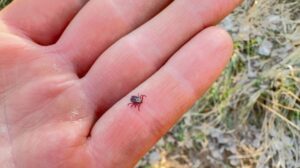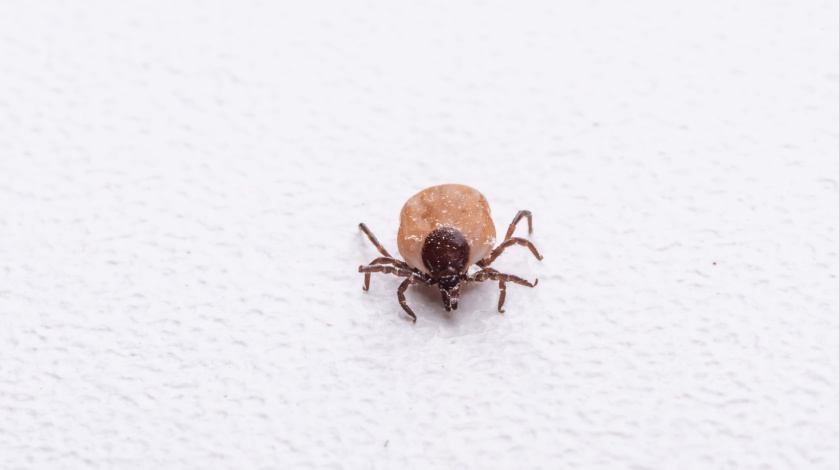
Knowing that ticks are common in Bella Vista is one thing. Knowing exactly where they are hiding around your home—so you can take targeted action—is what actually reduces your family’s risk. Ticks do not spread evenly across a property. They concentrate in specific microhabitats that provide the moisture, shade, and host-animal access they need to survive. If you can identify those zones around your Bella Vista home, you can manage them far more effectively—and give professional tick treatment a clear advantage.
The Direct Answer
Ticks hide in the areas of your property that are shaded, humid, and connected to the wooded or natural landscape beyond your yard. They are most concentrated along the transition zone between maintained lawn and unmaintained vegetation—the edges where your mowed yard meets the woods, brush, or natural space. They are least likely to be found in the center of a well-mowed, sun-exposed lawn.
The Transition Zone—Where Lawn Meets Woods
This is the single most important tick hot spot around any Bella Vista home that borders wooded or natural areas. The strip where your maintained yard ends and the unmaintained landscape begins—whether that is Ozark forest, a brushy fence line, an overgrown lot, or a natural drainage corridor—is where tick density is highest.
Why? Because this edge provides everything ticks need in one location:
- Leaf litter and ground debris from the wooded side that retain moisture
- Low vegetation where ticks can quest (climb up and wait for hosts)
- Wildlife traffic—deer, rodents, raccoons, and other hosts—routinely travel along these edges, depositing and picking up ticks
- Shade and humidity from adjacent tree canopy
The practical implication: the first three to six feet of wooded edge along your property line is where the majority of ticks on your property are hiding. If you have children or pets who play near this zone, tick exposure risk is highest there.
Leaf Litter and Mulch Beds
Ticks need humidity to survive. They are remarkably sensitive to drying out, and leaf litter is their primary protection against desiccation. Anywhere leaf litter accumulates on your property—along fence lines, in planting beds, beneath trees, in corners where wind deposits debris—ticks can survive and wait for a host.
Ornamental mulch beds around the foundation and in landscaped areas also retain moisture at the soil surface, creating conditions that can support ticks closer to the home than homeowners expect. This does not mean every mulch bed is a tick problem, but beds that are shaded, deep, and adjacent to wooded borders or wildlife corridors are higher risk.
Dense Shrubs and Ground Cover
Dense ornamental plantings—particularly evergreen shrubs, holly, boxwood, ivy, liriope, and similar low-growing or ground-level plants—create the shaded, humid microclimate ticks prefer. The interior of a dense shrub mass is cooler and more humid than the surrounding air, and ticks can survive within it during conditions that would kill them on an open lawn.
Ground cover plantings are particularly worth noting. English ivy, Asian jasmine, vinca, and pachysandra create a continuous humid layer at the soil surface that can harbor ticks—especially in shaded areas near the home.
Fence Lines and Property Borders
Fence lines—particularly wooden privacy fences—create a linear zone of shade, debris accumulation, and reduced airflow along the base. Leaf litter and grass clippings gather at the base of fences. Rodents travel along fence lines for cover. The shaded strip along the base of a fence in a Bella Vista yard is a tick-friendly corridor that connects the broader landscape to areas closer to the home.
Under Decks, Porches, and Structures
The shaded, protected space underneath elevated decks, porches, and outdoor structures provides exactly the conditions ticks need—cool, humid, sheltered from sun and wind. If wildlife (raccoons, opossums, or feral cats) accesses the area under your deck, they deposit ticks there regularly. Dogs that rest or play under decks can pick up ticks in these areas without ever leaving the immediate yard.
Firewood Piles and Yard Debris
Stacked firewood, brush piles, and accumulated yard debris create sheltered microhabitats that retain moisture and attract the rodents that serve as tick hosts. The combination of rodent harborage and humid shelter makes these features ideal tick concentration points—particularly when they are located in shaded areas near the home or along property borders.
Stone Walls, Retaining Walls, and Rock Features
Stone and rock features in Bella Vista landscapes provide crevices and shaded surfaces that retain moisture and offer harborage for both ticks and the small animals that carry them. Retaining walls with gaps between stones, decorative rock borders, and stone garden features near wooded edges can harbor ticks closer to outdoor living areas than homeowners expect.
Where Ticks Are NOT
Understanding where ticks do not concentrate is just as useful:
- Center of a well-mowed, sun-exposed lawn—the hot, dry, open conditions are inhospitable to ticks
- Paved surfaces—driveways, patios, sidewalks
- Dry, exposed gravel or hardscape areas
- Interior of the home (with rare exceptions when ticks are carried in on clothing or pets)
This is why one of the most effective property management strategies is to create a clear separation between the tick-favorable zones (wooded edges, dense vegetation, leaf litter) and the areas where your family spends time (lawn, patio, play areas).
What You Can Do
Targeted property management can dramatically reduce tick habitat around your home:
- Mow frequently and keep grass short, especially along fence lines and wooded borders
- Remove leaf litter from planting beds, fence lines, and the transition zone between lawn and woods
- Create a barrier strip—a 3-foot band of gravel, wood chips, or dry mulch between your lawn edge and wooded border. This dry, sunny strip discourages ticks from crossing into the maintained yard.
- Trim shrubs and low branches to increase sunlight and airflow at ground level near outdoor living areas
- Clear debris, brush piles, and stacked firewood away from the home and high-traffic yard areas
- Restrict wildlife access under decks and porches with screening or lattice
- Move play equipment, sandboxes, and outdoor seating away from wooded edges and into sunny, open areas of the yard
These steps reduce the tick habitat closest to where your family and pets spend time. Combined with professional tick treatment applied to the high-risk zones, they create a layered defense that makes a measurable difference.
Professional Tick Treatment
Allen Pest Management provides tick control services for Bella Vista and Northwest Arkansas that target the specific zones described above—the wooded edges, transition areas, fence lines, and vegetation where ticks concentrate. Treatments are applied using safe, eco-friendly products that are people- and pet-friendly, and every service is backed by a 100% satisfaction guarantee.
If ticks are a concern around your Bella Vista property, contact Allen Pest Management for a free estimate and get targeted treatment where it matters most.