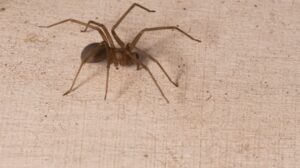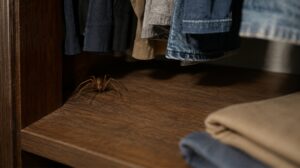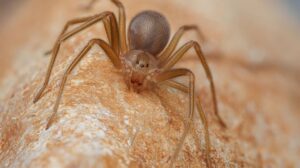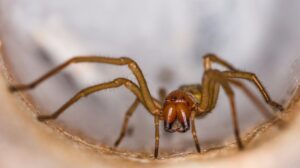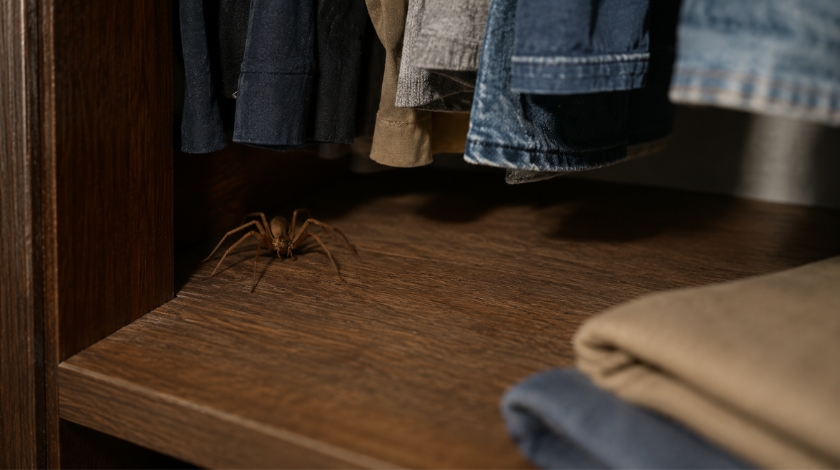
The garage corner that has not been touched in months, the box sitting in storage, or the shoes left unused in a closet can all become hiding places for unwanted spiders. Across Northwest Arkansas, brown recluse spiders often take advantage of these overlooked areas inside homes, staying in locations that provide shelter and little disturbance. Discovering where these hidden pests are staying is where local spider control experts bring valuable experience, helping homeowners uncover problem areas that are easy to miss. Here are the most common places where brown recluse spiders hide inside Northwest Arkansas homes.
Inside Closets, Shoes, and Stored Clothing
Closets are one of the most common places where brown recluse spiders hide inside homes because they provide the combination of darkness, protection, and limited disturbance these spiders prefer. Unlike spiders that create noticeable webs in open areas, brown recluses often remain hidden in small spaces where they are less likely to be discovered. Closets filled with stored clothing, shoes, boxes, and other belongings can provide many areas where spiders can stay concealed.
Brown recluse spiders may hide behind clothing piles, inside shoes, between folded blankets, or along the edges of shelves and storage containers. Items that are stored for long periods, such as seasonal clothing, luggage, old bags, and rarely used belongings, can become attractive hiding locations because they are not frequently moved. In many cases, homeowners only discover spider activity when they begin cleaning, reorganizing, or removing items that have been untouched for months.
Keeping closets organized and reducing unnecessary storage can make these areas less appealing to brown recluse spiders. Homeowners should take extra care when handling stored belongings and inspect items that have been sitting unused for extended periods. Simple habits, such as checking shoes before wearing them and regularly moving stored items, can help reduce the chances of unexpected encounters.
Behind Boxes and Stored Items in Garages
Garages are another common hiding location for brown recluse spiders throughout Northwest Arkansas homes. These spaces often provide many of the conditions spiders look for, including dark corners, stored materials, and areas that receive very little daily activity. Since garages are usually used for storage rather than regular living space, many areas can remain undisturbed for long periods.
Brown recluse spiders may hide behind cardboard boxes, underneath storage bins, around shelves, near tools, or between stacked household items. Cardboard boxes are especially attractive because they create small gaps and sheltered spaces where spiders can remain protected. Garages can also contain insects that serve as a food source, making these areas even more suitable for spider activity.
Reducing clutter and improving organization in the garage can help limit the number of available hiding spots. Using sealed plastic containers instead of cardboard boxes, keeping stored belongings off the floor when possible, and occasionally moving items can make these areas easier to inspect. Homeowners should also use caution when handling old boxes or equipment that has been sitting untouched.
In Basements, Crawl Spaces, and Dark Utility Areas
Basements, crawl spaces, and utility areas provide some of the most secluded hiding locations inside a home. These areas usually have limited lighting, fewer interruptions, and many structural features that allow brown recluse spiders to remain hidden. Because homeowners do not typically spend much time in these spaces, spider activity can continue without being noticed.
Crawl spaces and utility areas often contain pipes, insulation, wooden structures, and small openings that create natural hiding places. Brown recluse spiders may settle near foundation walls, behind stored materials, around plumbing areas, or inside gaps where different sections of the home connect. These locations offer protection from household activity while also providing access to small insects that spiders may feed on.
Although these areas can be difficult to access, maintaining them properly can help reduce spider-friendly conditions. Removing unnecessary debris, limiting storage in crawl spaces, addressing moisture issues, and sealing openings around the structure can reduce the number of places where brown recluse spiders can establish hiding areas.
Behind Furniture, Appliances, and Household Items
Large furniture pieces and appliances can create hidden spaces where brown recluse spiders remain protected. Areas behind couches, beds, cabinets, and appliances are rarely disturbed during normal household routines, allowing spiders to stay out of sight for extended periods. These locations provide the darkness and shelter brown recluses prefer when looking for a safe hiding area.
Brown recluse spiders may hide behind refrigerators, underneath furniture, around the back of dressers, or in spaces beneath cabinets. These areas are often overlooked because they are difficult to reach and are not part of regular cleaning routines. Homeowners may only discover spider activity after moving furniture, cleaning behind appliances, or retrieving items that have fallen into hidden spaces.
Regularly cleaning behind and underneath larger household items can help reduce potential hiding areas. While these locations do not always indicate a serious spider issue, keeping them free of dust, debris, and clutter makes it easier to identify unusual activity. It also removes some of the sheltered spaces brown recluse spiders use to remain hidden.
Inside Wall Voids, Cracks, and Structural Gaps
Some of the most difficult brown recluse hiding spots to identify are located within the structure of a home. Small openings, cracks, and hidden spaces inside walls can provide a secure environment where spiders remain protected from everyday household activity. Because these areas are not visible during normal cleaning or inspections, spider activity can continue without homeowners realizing where the spiders are coming from.
Brown recluse spiders may enter wall voids through gaps around plumbing lines, electrical openings, windows, doors, and foundation cracks. Once inside these spaces, they can move through hidden pathways and occasionally appear in different areas of the home. This behavior can make it challenging for homeowners to determine the source of the problem, especially when spiders appear in rooms that seem clean and well-maintained.
Reducing access to these hidden structural areas is an important part of limiting spider activity. Sealing cracks, repairing gaps, and maintaining areas where the home connects to the outside can help reduce potential entry points. While these steps may not remove every spider, they can make it more difficult for brown recluse spiders to establish hidden locations inside the property.
In Attics and Rarely Used Storage Areas
Attics are often overlooked areas of the home, making them another possible hiding location for brown recluse spiders. These spaces typically contain stored belongings, limited lighting, and very little daily activity, creating an environment where spiders can remain undisturbed for long periods. Since homeowners may only enter attics a few times each year, spider activity in these areas can continue without being noticed.
Brown recluse spiders may hide behind storage boxes, around insulation, near wooden supports, or underneath seasonal decorations and old belongings. Items such as holiday decorations, family storage boxes, old clothing, and unused household materials can create multiple sheltered areas where spiders can remain protected. The combination of darkness, limited movement, and available hiding spaces makes attics a suitable location for brown recluse spiders looking for shelter.
Homeowners should use caution when accessing attic storage, especially when moving older belongings or reaching into areas that are difficult to see. Keeping attic storage organized, removing unnecessary items, and checking stored materials periodically can help reduce the number of hiding spots available. A cleaner, more organized attic also makes it easier to notice signs of spider activity before the problem becomes more difficult to manage.
Around Garages, Sheds, and Exterior Storage Areas
Brown recluse spiders may also hide in areas around the outside of a home before making their way indoors. Garages, sheds, outdoor storage areas, and spaces near the foundation can act as transition zones where spiders find protection before entering living areas. These locations often receive less attention than the main parts of the home, allowing spider activity to develop without being noticed.
Outdoor items such as firewood piles, storage containers, yard equipment, and debris can create sheltered spaces where brown recluse spiders may hide. When these items are moved, stored close to the home, or brought inside, spiders may accidentally be introduced into garages or living spaces. Homes with cluttered outdoor areas may provide additional opportunities for spiders to find suitable hiding conditions.
Maintaining exterior areas around the home can help reduce potential spider activity near entry points. Keeping firewood and stored materials away from the foundation, removing unnecessary debris, organizing outdoor storage, and inspecting items before bringing them indoors can help limit opportunities for brown recluse spiders to move closer to the home.
How Homeowners Can Reduce Brown Recluse Hiding Spots
Reducing brown recluse hiding areas starts with removing the conditions that allow these spiders to remain unnoticed. While it is difficult to completely prevent spiders from entering a home, regular maintenance and organization can limit the number of places where they can find shelter.
Homeowners can reduce potential hiding areas by focusing on these important prevention steps:
- Reduce clutter in storage areas: Keeping garages, closets, attics, and crawl spaces organized reduces the number of dark, undisturbed spaces where brown recluse spiders can hide.
- Store belongings in sealed containers: Plastic storage bins with secure lids help prevent spiders from accessing clothing, decorations, and other items stored for long periods.
- Inspect items before bringing them indoors: Checking outdoor equipment, firewood, and stored belongings before moving them inside can help prevent accidentally introducing spiders into the home.
- Seal cracks and entry points around the home: Closing gaps around foundations, windows, doors, plumbing openings, and utility lines can reduce opportunities for spiders to enter hidden areas.
- Clean overlooked areas regularly: Removing dust, debris, and clutter behind furniture, appliances, and storage shelves can eliminate potential hiding locations.
- Maintain outdoor areas near the home: Keeping firewood, yard debris, and stored materials away from the foundation can help reduce spider activity near entry points.
Consistent home maintenance can make a noticeable difference in reducing brown recluse hiding spots. When these prevention steps are combined with professional pest control when needed, homeowners can better manage spider activity and protect their living spaces.
Dealing With Brown Recluse Spiders in Hard-to-Reach Areas
Brown recluse spiders can be difficult to manage because they often stay in places homeowners rarely disturb, including wall voids, storage areas, crawl spaces, garages, and other hidden parts of the home. Since these spiders prefer staying out of sight, removing the ones that are visible may not always address the areas where spider activity begins. A complete solution requires identifying common hiding locations and addressing the conditions that allow spiders to remain protected inside the property.
Many brown recluse spider problems involve areas that are difficult for homeowners to inspect, which is why a targeted approach is important. Allen Pest Management provides customized spider control solutions designed to address hidden activity, including areas where spiders commonly shelter and potential entry points around the home. Our trained technicians help find the areas where brown recluse spiders are most likely to hide, including spaces behind stored items, around entry points, and other locations that are difficult for homeowners to inspect.
Reach out to our team at Allen Pest Management if you are finding brown recluse spiders inside your home or noticing activity in hard-to-reach areas.