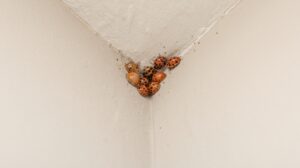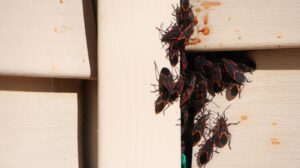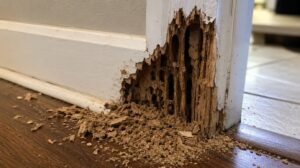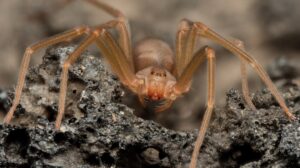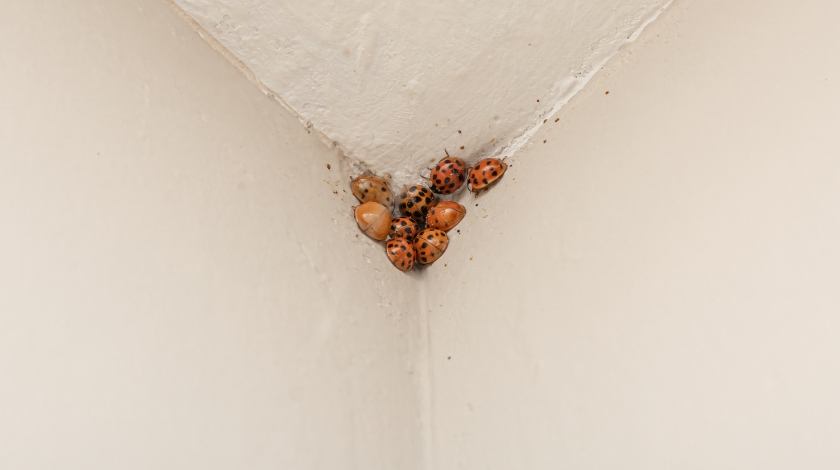
Asian lady beetles can appear by the dozens on a sunny wall, then turn up around windows and ceilings inside. These fall gatherings involve adults searching for protected overwintering sites, and a house can provide plenty of narrow spaces to explore. Our beetle control services begin with identifying the insect and examining the affected areas. If beetles are swarming your Fayetteville home, a calm, organized response can reduce the immediate nuisance while addressing the openings that let them settle into the building.
First, Check Which Beetle You Are Seeing
Multicolored Asian lady beetles vary from yellow-orange to deeper orange or red. Some have many black spots, while others have few or none. A dark marking on the pale area behind the head often resembles an M or W, though its appearance can vary. Color and spot count alone provide an incomplete identification.
These beetles feed on aphids and other small plant pests outdoors, where they can be beneficial. Their autumn gathering behavior creates the household nuisance. Large numbers may collect on exposed building surfaces before finding sheltered crevices for winter. An outdoor gathering and an indoor infestation of a food-feeding beetle call for very different responses.
Take a photograph of several beetles and the surface where they are gathering. Include an image close enough to show markings if you can do so comfortably. We use identification and the location together to decide whether the pattern fits seasonal shelter-seeking or whether another beetle needs investigation.
While Beetles Are Gathering Outside
Observe which parts of the house attract the most activity. Sun exposure and contrasting features on the exterior can influence gathering, and beetles may concentrate around windows, roof edges, or trim. The insects you see may be resting on the wall or moving into small openings nearby.
Keep nearby doors and unscreened windows closed during heavy activity. Check screen fit and obvious gaps around the entrance you use most. An intact screen helps only when its edges also fit securely. A beetle-filled doorway can admit visitors every time the door opens, so using another entrance temporarily may reduce accidental entry.
Move outdoor belongings with care. Patio cushions, folded furniture covers, and decorations can conceal beetles when left near a gathering. Inspect folds and undersides outdoors before taking items into storage. This simple step addresses insects traveling with belongings while exterior repairs address bugs exploring the building itself.
If large numbers are entering high trim or inaccessible siding gaps, arrange an inspection. Reaching those areas safely and choosing an appropriate treatment requires attention to the structure and product directions. The timing is useful: preventing access while adults remain outside can reduce the number that reach sheltered spaces.
When Beetles Have Reached the Rooms
Remove Accessible Beetles Gently
A vacuum can collect beetles from accessible windows and surfaces. Empty the collection container or remove the bag promptly, following the equipment instructions, and keep the insects contained during disposal. Beetles can release a yellowish defensive fluid and odor when disturbed. Crushing them against curtains or painted walls may leave staining.
For a few individuals, a container and a piece of stiff paper can help you collect them without pressing them onto the surface. Avoid handling them directly. Asian lady beetles can occasionally pinch or bite, and large indoor accumulations can be troublesome for people sensitive to their allergens. Keep the cleanup controlled and ask for assistance if symptoms or substantial accumulation make the task difficult.
Record Where They Keep Appearing
A repeated group at one window provides a useful inspection lead. Note the room, approximate numbers, and whether activity increases during sunny afternoons. Adults already sheltered within the building may become active as conditions change. Seeing them indoors later in winter can be part of the same fall entry event.
Their normal reproduction takes place outdoors during the active season. An increasing number visible in a room can reflect hidden adults moving into view. We examine that pattern before recommending treatment, since the source may be a structural route rather than something stored in the room.
Seal the Right Openings at the Right Time
Check accessible joints around window and door frames, utility entries, and siding transitions. Replace damaged screening and weather stripping where needed. Exterior gaps should be evaluated for their building purpose before repairs are chosen. Airflow, drainage, and weep openings need to remain functional.
Late-season repairs can still improve the building, but expectations should account for beetles already inside. Some may continue appearing after an entry route has been corrected. We can help separate ongoing entry from the movement of adults that settled in earlier, which makes follow-up and future prevention more useful.
Interior gaps around trim can also provide a route from concealed spaces into rooms. Any sealing work around electrical fixtures or other equipment should be handled appropriately. Avoid opening wall cavities or applying products into inaccessible spaces without a clear assessment of what is present and where the product is permitted.
Choose a Response That Fits Overwintering Beetles
Broad indoor spraying can miss the adults sheltered within the structure. Total-release foggers are poorly suited to insects behind walls and can introduce avoidable exposure in living areas. Treatment should follow the pest identification, location, and label directions. We explain the recommended approach and any preparation needed before service.
Professional attention is especially useful when the gathering recurs each year, insects are entering inaccessible areas, or removal becomes a daily task. An inspection can identify the features concentrating activity and help you plan maintenance before the next fall movement. Routine removal and seasonal prevention address different parts of the problem.
If Asian lady beetles are crowding your Fayetteville home, ask us to inspect the affected areas. We will help identify the route, recommend appropriate control, and outline practical steps for reducing both the current indoor nuisance and future seasonal entry.