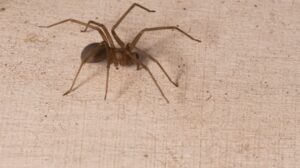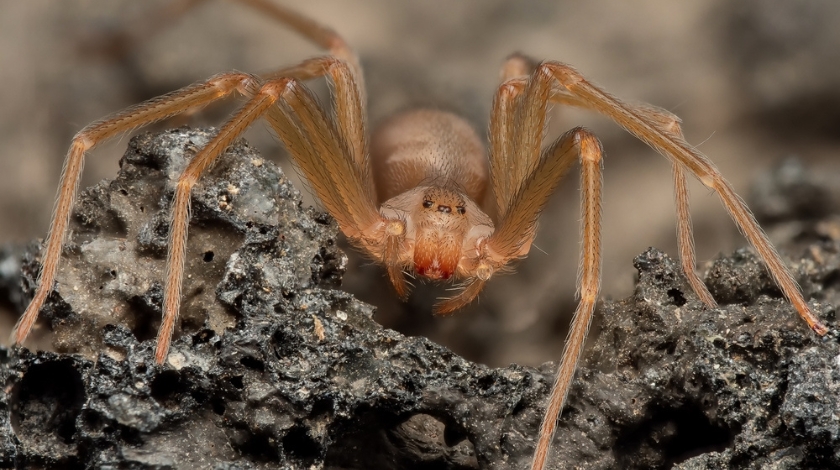
Brown recluse spiders have earned a reputation as one of the most feared spiders in the United States. Stories about severe bites, skin damage, and medical complications often make homeowners worry whenever they find a spider inside their home. While brown recluse bites should be taken seriously, many common beliefs about them are exaggerated or misunderstood.
The reality of brown recluse spider bites is more complicated than many people think. Some bites can lead to serious reactions, but many cases are far less severe than the stories often shared online.
How Dangerous Are Brown Recluse Spider Bites?
Brown recluse spider bites can range from mild skin irritation to more serious reactions, depending on several factors, including the individual’s immune response, the location of the bite, and how much venom is introduced. These spiders produce venom that contains enzymes capable of breaking down tissue, which is why some bites may cause localized damage around the affected area. However, the severity of a bite is often misunderstood, as many cases do not develop into the severe wounds commonly associated with brown recluse spiders.
In many situations, a brown recluse bite may initially appear minor. A person may notice a small red mark, swelling, itching, or tenderness that develops over the first several hours. Some bites remain limited to these symptoms and gradually improve without causing major complications. Because the early signs can resemble other insect bites or skin conditions, it is often difficult to confirm a brown recluse bite based only on appearance.
More serious reactions can occur in certain cases, especially when the venom causes tissue damage at the bite site. Over the following days, some individuals may experience increasing pain, blistering, discoloration, or a wound that takes longer to heal. In rare situations, the body may react more broadly to the venom, leading to symptoms such as fever, chills, nausea, or fatigue. These severe reactions are uncommon, but they are the reason brown recluse bites should be monitored carefully.
Despite their reputation, brown recluse spiders are not naturally aggressive and do not seek out people to bite. Most bites happen when the spider is accidentally disturbed, such as when it is trapped in clothing, bedding, shoes, or stored items. Taking steps to reduce spider hiding areas and addressing spider activity around your home can help lower the chances of unexpected encounters.
Why Brown Recluse Spiders Are Often Feared
Much of the fear surrounding brown recluse spiders comes from the reputation they have developed over the years. Their name alone often creates the impression that they are aggressive or dangerous predators that actively attack people. In reality, brown recluse spiders are typically shy creatures that prefer to stay hidden rather than interact with humans.
Brown recluse spiders are most active at night and spend much of their time hiding in quiet, undisturbed areas during the day. They do not chase people or intentionally bite when they encounter them. Most bites occur when the spider feels trapped or threatened, such as when it is pressed against the skin while someone is moving stored items, putting on clothing, or reaching into hidden areas.
These spiders are commonly found in locations where they can remain unnoticed for long periods, including:
- Closets, basements, and storage spaces with limited activity
- Cardboard boxes, paper piles, and unused containers
- Behind furniture, appliances, and household items
- Garages, sheds, and other areas that are rarely disturbed
Because brown recluse spiders prefer secluded spaces, homeowners may not realize they have an issue until they begin seeing spiders regularly or discover them while cleaning or moving belongings.
What Does a Brown Recluse Bite Look Like?
Identifying a brown recluse bite can be difficult because many insect bites, allergic reactions, and skin conditions can appear similar. The bite may not look severe at first and can change over the next several hours or days as the body reacts.
Some possible signs associated with a brown recluse bite include:
- A small red mark that develops gradually: The bite may initially appear as a small, irritated area that becomes more noticeable as redness and swelling increase over time.
- Pain, swelling, or tenderness around the affected area: The bite site may become increasingly uncomfortable as inflammation develops and the surrounding skin becomes sensitive.
- Blistering or skin discoloration: Some reactions may cause a blister to form or lead to darker skin changes as the venom affects nearby tissue.
- A slow-healing wound or damaged skin area: More serious bites may result in an open sore or affected area that takes longer to heal compared to a typical insect bite.
- Symptoms that affect the rest of the body: In rare cases, a person may experience fever, chills, nausea, or fatigue as part of a broader reaction to the venom.
Because these symptoms can overlap with many other conditions, homeowners should avoid assuming every suspicious bite is caused by a brown recluse spider. If the area becomes increasingly painful, worsens over time, or shows signs of infection, medical evaluation is recommended.
How Brown Recluse Spiders Enter Homes
Homes often provide the ideal combination of shelter, food, and quiet spaces that many spiders look for when searching for a place to survive. Areas that are rarely disturbed, contain stored belongings, or have easy access points from the outside can create opportunities for these pests to move indoors and remain hidden for long periods.
Entry usually happens through small openings around the exterior of a property, including gaps near doors, cracks in foundations, damaged window screens, utility openings, and spaces around pipes or vents. Spiders may also be unintentionally carried inside through cardboard boxes, stored items, firewood, furniture, and other materials that have been sitting in garages, sheds, or outdoor areas.
Once inside, they tend to move toward locations where they can avoid frequent activity. Garages, closets, attics, storage rooms, basements, and areas behind furniture or appliances can provide the darkness and protection they need. Homes with cluttered storage spaces or items that are rarely moved may offer more hiding opportunities and make it easier for spider activity to go unnoticed.
Reducing entry points and eliminating potential hiding areas can help make a property less appealing to unwanted spiders. Sealing cracks, keeping storage areas organized, removing unnecessary clutter, and controlling other insects that serve as a food source can all reduce activity. When sightings continue despite these efforts, a professional inspection can help identify where spiders are entering and what conditions are allowing them to remain around the home.
What Should You Do If You Find Brown Recluse Spiders?
Finding a brown recluse spider inside your home can be concerning because these spiders may cause serious reactions in some cases. While they are not aggressive and usually avoid people, bites can happen when they are accidentally disturbed in clothing, bedding, storage boxes, or other areas where they are seeking shelter. Avoid handling the spider directly and use caution when checking places where spider activity may be present.
If you discover a suspected brown recluse spider, avoid disturbing nearby belongings where more spiders could be present. Pay attention to where the spider was found, whether it is in a garage, closet, storage area, or another quiet location, as these areas can provide clues about how spiders are getting inside and where they may be staying.
Because brown recluse spiders can be difficult to identify and may remain hidden in areas that are rarely disturbed, Allen Pest Management provides solutions for brown recluse spider problems by identifying where they are located and providing effective treatments to help remove the issue.
Taking action early can prevent the situation from becoming more difficult to manage. Reach out to our team today and let us assist with your brown recluse spider concerns.