If you have never hired a professional pest control company—or if you have had a bad experience with one in the past and are hesitant to try again—knowing exactly what the process looks like from start to finish can make the decision easier. A good pest control service should be transparent, thorough, and built around your home’s specific needs. Here is what the experience should look like when you work with a reputable provider in Fayetteville.
Step 1: The Initial Contact and Free Estimate
The process begins when you reach out—by phone, online form, or text. A good company will ask basic questions about what you are experiencing (the type of pest, the location, how long it has been happening) and schedule a free inspection at a time that works for you.
What you should expect during this initial interaction:
- Friendly, professional communication—not high-pressure sales
- Clear information about what the inspection involves and what it costs (it should be free)
- Flexible scheduling options, including evenings and weekends when possible
- Honest answers to your questions—even if the answer is “we will not know for sure until we inspect.”
If a company pressures you to commit to a service plan before they have even seen your property, that is a red flag.
Step 2: The Inspection
The inspection is the foundation of effective pest control. A technician will visit your property and conduct a thorough assessment of both the interior and exterior.
What the technician is looking for on the exterior:
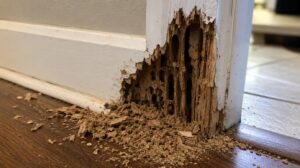
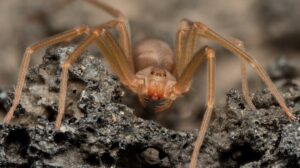
- Active pest activity—ant trails, wasp nests, spider webs, rodent burrows, termite mud tubes
- Entry points—gaps around doors, windows, utility penetrations, foundation cracks, soffit and fascia damage
- Conducive conditions—moisture issues, mulch against the foundation, tree branches contacting the roofline, dense vegetation near the home, standing water, clogged gutters
- Evidence of wildlife activity—droppings, damage, nesting materials
What the technician is looking for on the interior:
- Active pest presence—live insects, droppings, webs, nests, damaged materials
- Moisture areas—under sinks, around appliances, in bathrooms, laundry rooms, and crawl spaces
- Entry points—gaps around interior doors, baseboards, plumbing penetrations, and utility closets
- Harborage areas—garages, storage areas, attics, and any undisturbed spaces where pests shelter
A thorough inspection takes 30 to 60 minutes depending on the size of the home and the complexity of the issues. The technician should explain what they find as they go and answer your questions.
Step 3: The Recommendation and Quote
After the inspection, the technician will explain their findings and recommend a treatment plan. This is where transparency matters most.
What a good provider will do:
- Identify the specific pests present—not just “bugs,” but the actual species, because treatment strategies differ significantly between, say, German cockroaches and American cockroaches, or carpenter ants and odorous house ants
- Explain what is driving the problem—moisture issues, entry points, habitat conditions, seasonal patterns
- Recommend a specific treatment approach tailored to your home—not a generic plan applied to every property
- Provide clear, written pricing before any work begins—no vague estimates, no hidden fees
- Explain the service schedule—how often treatments will occur, what each visit includes, and what to expect in terms of results and timeline
- Outline the guarantee—what is covered, what happens if pests return, and what recourse you have if you are not satisfied
At Allen Pest Management, the recommendation includes a customized plan based on the inspection findings, transparent pricing, and a clear explanation of the 100% satisfaction guarantee—which includes free return visits until the pests are gone.
Step 4: The Initial Treatment
The first treatment visit is typically the most thorough and takes longer than subsequent maintenance visits. Here is what it generally involves:
Exterior treatment:
- Application of a barrier treatment around the foundation, extending outward and upward to create a perimeter defense
- Treatment of windows, doorways, and pest entry points
- Treatment of eaves, soffits, and roofline edges where wasps, spiders, and other pests nest
- Removal of spider webs and accessible wasp nests
- Treatment of fence lines, landscape borders, and other exterior harborage areas
Interior treatment (when included in the plan):
- Targeted crack-and-crevice application along baseboards, under sinks, around plumbing penetrations, and in utility closets
- Treatment of the garage, including placement of monitoring devices (glue boards)
- Application in conducive areas—kitchens, bathrooms, laundry rooms, and entry points where pest activity has been identified
Communication:
- The technician explains what was done, what products were used, and what to expect in the coming days and weeks
- Any precautions—such as keeping pets off treated surfaces until dry—are clearly communicated
- Recommendations for things you can do between visits (sealing entry points, reducing moisture, maintaining landscape) are provided
Step 5: What to Expect After the First Treatment
In the first 24 to 48 hours, you may see an increase in pest activity. This is the “flush” effect—products drive insects out of their hiding spots and into the treated zones where they are exposed. Seeing more ants, spiders, or cockroaches immediately after treatment is normal and is a sign the treatment is reaching the areas where pests were harboring.
Over the following one to two weeks, activity should decrease noticeably. Barrier treatments kill pests on contact and provide weeks of residual protection. Bait-based treatments for ants and cockroaches take one to three weeks to work through the colony.
If you are on a plan that includes callbacks, do not hesitate to call if activity persists beyond the expected timeline. A good company wants to know because addressing it promptly is part of the guarantee.
Step 6: Ongoing Maintenance
After the initial treatment brings the situation under control, ongoing maintenance visits keep it that way. Allen Pest Management recommends quarterly treatments with regular check-ups between visits—a schedule that covers the seasonal pest cycle in Fayetteville:
- Spring visits establish the barrier as ant colonies expand, spiders emerge, and mosquito and tick season begins
- Summer visits reinforce protection during peak activity—ants, spiders, wasps, mosquitoes, ticks, cockroaches, and crickets are all at their most active
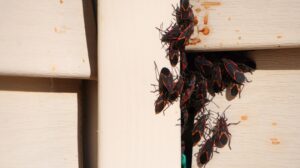
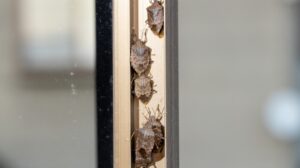
- Fall visits target overwintering pests—stink bugs, box elder bugs, Asian lady beetles, and rodents—before they enter wall voids and establish inside the home
- Winter visits monitor for rodent activity, maintain the interior barrier, and address any indoor pest populations
Each maintenance visit is adjusted based on seasonal pest pressures and any changes in conditions on the property. This is not a generic spray repeated four times a year—it is a dynamic program that responds to what is actually happening at your home.
What Sets a Good Provider Apart
After working with Allen Pest, here is what Fayetteville homeowners consistently say makes the difference:
- Technicians who communicate: They explain what they are doing, what they found, and what you should watch for. No silent spray-and-leave visits.
- Customized treatment: The plan is built around your home, not a template applied to every house on the route.
- Real follow-through: The 100% satisfaction guarantee means if pests come back between visits, the team returns at no charge. And they actually do it—cheerfully and promptly.
- Safe products: Eco-friendly formulas that are people- and pet-friendly. No anxiety about your kids or dogs after a treatment visit.
- Local ownership and accountability: Allen Pest is family-owned and has been serving Northwest Arkansas for over a decade. The people running the company live in the same community as their customers.
Getting Started
The process begins with a free inspection. No commitment, no pressure, no obligation. Allen Pest will assess your property, explain what they find, and provide a clear recommendation and quote. New customers who sign up for an annual plan receive 50% off their initial treatment.
If you are ready to experience what professional pest control should feel like, contact Allen Pest Management for your free estimate and find out why your Fayetteville neighbors keep choosing them.