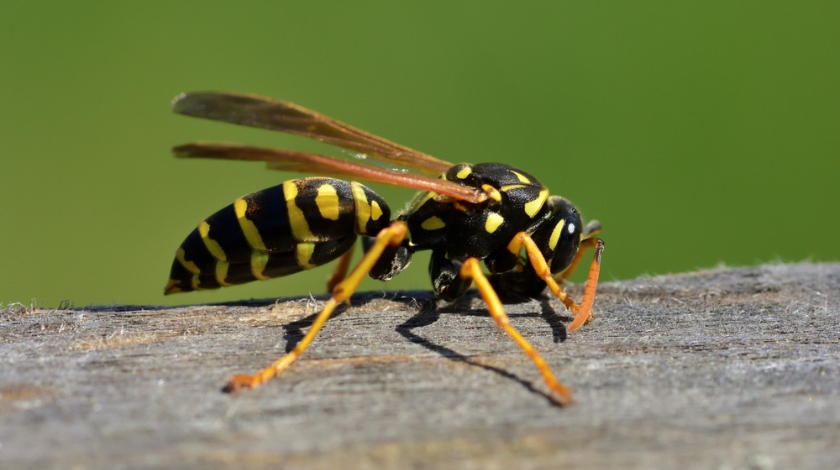
Fayetteville homeowners often notice a major change in yellowjacket activity as the warmer months begin to wind down. Insects that were less noticeable earlier in the year may suddenly appear around patios, yards, trash containers, and outdoor gatherings as their colonies expand and their search for food intensifies. These seasonal changes can make spending time outside more challenging, especially when yellowjackets begin defending nearby nesting areas and showing more aggressive behavior.
For homeowners dealing with persistent yellowjacket activity around their property, professional pest control for yellowjackets provides a targeted approach to identifying nests, addressing active infestations, and reducing the chances of repeated stinging encounters.
Yellowjacket Colonies Reach Their Largest Size in Late Summer
One of the main reasons yellowjackets become more aggressive during late summer is because their colonies have reached their peak size. A yellowjacket colony begins in the spring when a queen establishes a nest and starts producing workers. Over the following months, the population continues to grow as workers gather food, expand the nest, and support the developing colony. By the time late summer arrives, a nest that was once small and difficult to notice may contain hundreds or even thousands of yellowjackets actively moving throughout the surrounding area.
As the colony grows larger, yellowjacket activity naturally increases around homes in Fayetteville. More workers are leaving the nest each day to search for food, protect the colony, and maintain its growing population. This higher number of active insects is why homeowners may suddenly notice yellowjackets around patios, gardens, outdoor structures, and other areas where they spend time. What appears to be a sudden change in behavior is often the result of a colony reaching its most active stage of the year.
Yellowjackets Change Their Feeding Habits as the Season Progresses
The way yellowjackets search for food changes as their colonies mature. Earlier in the year, worker yellowjackets spend much of their time collecting protein sources, including insects and other small prey, to feed developing larvae inside the nest. As the colony reaches a more established stage, the demand for these protein sources decreases, and adult workers begin searching more frequently for sugary foods that provide energy.
This shift is one reason yellowjackets become more noticeable around residential properties. They may begin visiting areas where people eat, drink, or store waste because these locations provide easy access to attractive food sources. Outdoor drinks, ripe fruit, garbage containers, and leftover food from backyard gatherings can all draw yellowjackets closer to homes in Fayetteville. Their repeated presence around these areas can create frustrating encounters, especially when families are trying to enjoy their outdoor spaces.
Mature Colonies Make Yellowjackets More Protective of Their Nests
Yellowjackets are naturally defensive insects, but their response becomes stronger when their nests are fully developed. Throughout the warmer months, workers spend significant time protecting the colony and maintaining the nest. By late summer, the colony represents a major investment of time and resources, causing worker yellowjackets to react quickly when they sense a possible threat nearby.
Many stinging incidents happen when people accidentally disturb a hidden nest rather than intentionally approaching one. Activities such as mowing grass, trimming shrubs, moving outdoor equipment, or walking through certain areas of the yard can bring homeowners close to nesting locations without warning. Because yellowjackets can sting multiple times and may release alarm signals that attract other workers, disturbing a mature colony can lead to a much more intense encounter.
Warm Weather Keeps Yellowjackets Active Around Fayetteville Properties
Seasonal temperatures have a major influence on yellowjacket behavior. Warm conditions allow these insects to remain active throughout the day, giving workers more opportunities to search for food, travel away from the nest, and explore areas around residential properties. Fayetteville’s late summer weather provides the consistent conditions yellowjackets need to continue their normal colony activities.
The timing also overlaps with increased outdoor use among homeowners. Patios, gardens, decks, and backyard spaces become gathering areas during this period, which creates more chances for people and yellowjackets to cross paths. When warm weather, active insects, and outdoor activities all occur at the same time, encounters become more common and noticeable.
Homes Provide Many Hidden Places for Yellowjackets to Build Nests
Residential properties often contain many locations where yellowjackets can establish nests without being noticed. These insects look for protected areas that offer shelter from weather and outside disturbances. Underground spaces, wall gaps, sheds, landscaping areas, tree cavities, and other enclosed locations can all provide suitable conditions for a colony to develop.
Properties throughout Fayetteville and surrounding areas may be especially appealing when they include trees, gardens, dense vegetation, or structures with small openings. Because many nests are located away from regular human activity, homeowners may not realize there is a colony nearby until worker activity becomes much more visible. Repeated yellowjacket traffic coming from one area is often a sign that the source is closer than expected.
Outdoor Activities Create More Chances for Yellowjacket Encounters
Late summer is a popular time for Fayetteville families to spend time outside before cooler temperatures arrive. Backyard meals, celebrations, gardening projects, and outdoor recreation all increase the amount of time people spend in areas where yellowjackets may be searching for resources.
Many everyday activities can unintentionally create attractive conditions for these insects. Open food containers, sweet beverages, uncovered trash, and fallen fruit can encourage yellowjackets to investigate outdoor spaces. Once they discover a dependable source, workers may continue returning to the same location, creating repeated disturbances during activities that should be enjoyable.
Hidden Nests Become a Bigger Concern as Yellowjacket Activity Increases
Yellowjacket problems that appear suddenly in late summer usually have been developing for months. A nest may begin in a location that receives little attention, allowing the colony to expand quietly before activity becomes noticeable. As the population increases, more workers travel away from the nest, making their presence around the property much easier to detect.
This delayed visibility is one reason homeowners sometimes underestimate the seriousness of a yellowjacket issue. By the time insects are frequently appearing around yards, structures, or outdoor areas, the colony may already be well established. Attempting to remove a mature nest without the proper tools and experience can increase the risk of stings, especially when dealing with a large and defensive population.
Why Persistent Yellowjacket Activity Shouldn’t Be Ignored Around Your Home
Continued yellowjacket activity around your property is often a sign that the issue involves more than a few insects passing through the area. When workers repeatedly return to the same locations, there may be an established nest nearby that is contributing to the ongoing activity. Leaving the problem unresolved can increase the chances of unwanted encounters, especially when yellowjackets are active around patios, yards, outdoor structures, and other areas where your family spends time.
At Allen Pest Management, we provide targeted pest control solutions designed around the specific challenges homeowners face throughout Fayetteville and Northwest Arkansas. Our locally owned and family-operated team focuses on identifying the source of pest activity, applying effective treatments, and delivering reliable service backed by years of experience. Whether yellowjackets are disrupting your outdoor spaces or becoming a recurring concern around your property, our team is prepared to provide the support needed to address the issue.
Don’t let aggressive yellowjackets limit how you enjoy your property during the warmer months. Reach out to our team today and let Allen Pest Management help you take back your outdoor spaces with dependable yellowjacket control solutions.