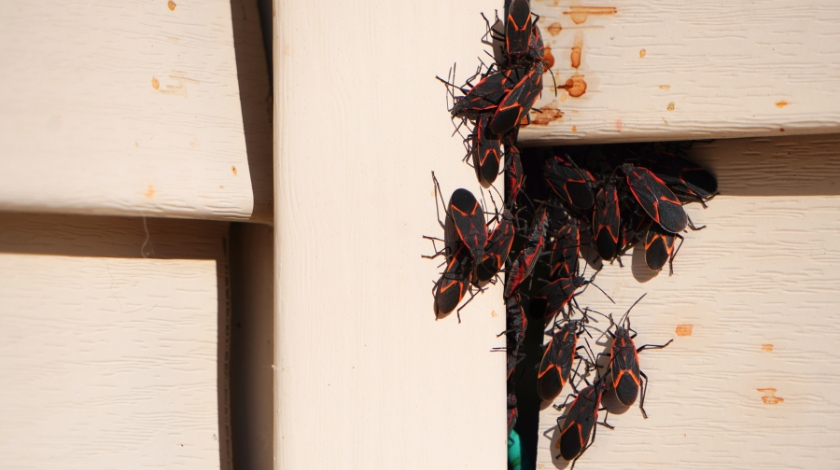
Box elder bugs gathering on siding can make a sunny fall afternoon frustrating, particularly when they crowd an entrance you use every day. Their search for winter shelter can also bring them through small gaps into the building. Our box elder bug control services focus on identifying the gathering sites and routes involved. For your Bella Vista home, the most useful plan combines timely exterior attention, sound building maintenance, and a practical response to the insects already present.
Confirm What Is Gathering on the Wall
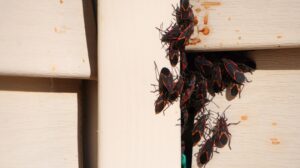
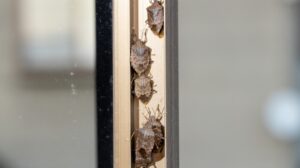
Adult box elder bugs have elongated dark bodies with red or orange lines along the thorax and wings. Young stages are smaller and more brightly red, with their appearance changing as they develop. A clear photograph can help distinguish them from other dark insects with reddish markings that also occur around plants and buildings.
The adults most often attract attention in fall when they collect on warm surfaces and seek protected spaces. Their outdoor food is associated with plants, especially seeds from boxelder and certain other trees. A gathering near the house can therefore reflect both nearby habitat and a suitable place to shelter for winter.
Look at what the bugs are doing. Adults resting on a wall present a different situation from repeated movement into a siding seam. If they are concentrated around a particular window or door, record the location and time of day. This helps us identify where maintenance or targeted treatment could have the greatest effect.
Start Before Bugs Settle Into the Building
Exclusion is most useful before large numbers reach protected structural spaces. An exterior inspection early in the seasonal gathering gives you time to address damaged seals and screening. Once bugs are already behind trim or inside wall voids, some may continue appearing indoors as those sheltered adults become active.
Begin with the side of the house where you see the most activity. Sunny walls can draw insects on cool days, but the exact location varies with shade and building orientation. Inspect the nearby openings from a safe position. An upstairs concentration may require a professional evaluation of window trim, eaves, or siding transitions.
Use the gathering as a map for inspection rather than a reason to treat every outdoor surface. We assess the insects, their shelter, and the accessible entry routes before recommending a treatment. This keeps the work focused on the parts of the building connected to the nuisance.
Check These Exterior Details
A targeted maintenance check should include:
- Door sweeps and weather stripping with visible wear or open corners.
- Window screens that fit loosely or have small tears along the frame.
- Gaps at trim joints, siding transitions, and accessible utility penetrations.
- Vent coverings that have shifted or become damaged.
- Garage door edges near places where bugs collect.
Choose materials appropriate to each opening. A flexible joint may need a different repair from a damaged screen assembly, and vents require continued airflow. Preserve drainage and weep openings when making repairs. If the purpose of a gap is unclear, have it evaluated before sealing it.
Exterior maintenance can also improve everyday use of the house. A properly fitted door sweep helps limit crawling insects while reducing the gap beneath a frequently opened entrance. Secure screens let you use windows with fewer opportunities for accidental entry. These details support prevention beyond the weeks when box elder bugs are most visible.
Manage Nearby Conditions Sensibly
Seed-producing trees can support box elder bugs outdoors, but removing a healthy tree is a substantial decision. Bugs can travel from neighboring properties, and replacing a tree may have little effect on the openings in your home. Start with identification, building maintenance, and management of the active gathering before considering major landscape changes.
Remove accumulated plant debris from thresholds and keep stored items from obscuring the wall. This makes it easier to inspect where insects are resting or entering. A stack of patio cushions or folded covers near a gathering may also carry bugs indoors when moved for winter storage.
Check those belongings outside before bringing them into living areas. Brush away visible insects, inspect folds and undersides, and move items in manageable groups. Cleaning the exterior wall alone has limited lasting value if bugs continue finding suitable gaps nearby, so connect routine removal with entry prevention.
Handle Visible Bugs Carefully
For a small indoor group, gentle collection or vacuuming can provide immediate relief. Crushing box elder bugs may leave marks or an unpleasant odor on furnishings and walls. Keep collected insects contained and dispose of them promptly using a method appropriate to the equipment you use.
Water can dislodge insects from some accessible outdoor surfaces, but surface materials, weather, and nearby electrical fixtures require care. Avoid improvised mixtures that could damage siding, plants, or finishes. Any pesticide must be labeled for the pest and application site, with all directions followed. A homemade contact spray offers uncertain results and may create a separate cleanup problem.
Repeated indoor appearances often involve adults that reached the building earlier. Record which windows or rooms are involved and whether sightings occur after sunny periods. Those details help us assess the route and explain what to expect while the remaining insects become active.
Use a Property-Specific Control Plan
We inspect common hiding areas and entry points, then recommend a treatment plan based on the activity found. Follow-up helps assess the response and identify remaining concerns. The best timing and application locations depend on whether the bugs are still gathering outdoors or have already entered protected spaces.
If box elder bugs are collecting around your Bella Vista home, contact us to plan an inspection. We can help you address the current gathering, identify vulnerable openings, and choose realistic prevention steps before more insects settle in for winter.