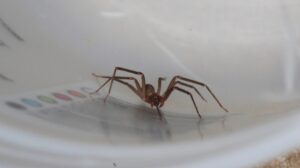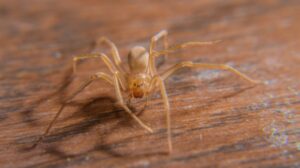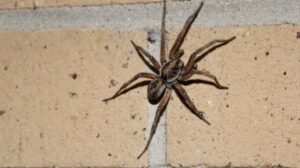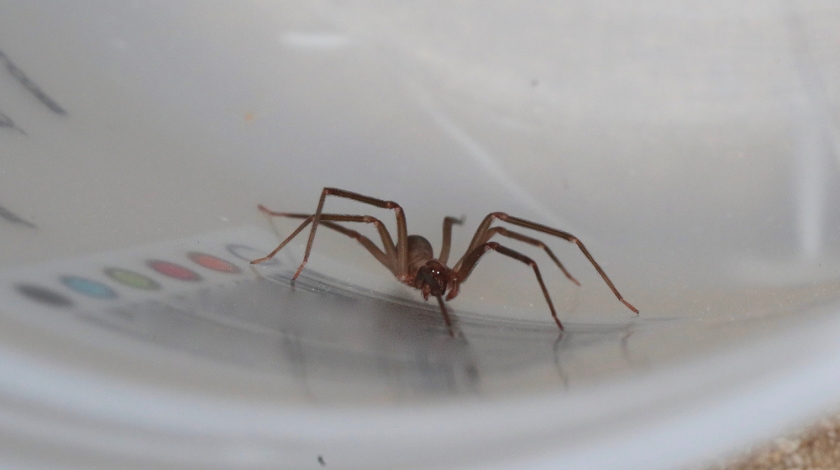
Brown recluse spiders are selective about where they settle, and many Bentonville homes naturally offer the kind of environment they prefer. From hidden storage areas to everyday household conditions, several factors can contribute to their presence, making spider control in Bentonville, AR most effective when those conditions are corrected. Here are the conditions that can make some Bentonville homes more appealing to brown recluse spiders and why they may continue to find their way indoors.
Bentonville Homes Offer the Kind of Shelter These Spiders Prefer
Brown recluse spiders are not drawn to homes because they are searching for people. They are looking for quiet, protected spaces where they can remain hidden and avoid frequent disturbance. Many Bentonville homes naturally provide these conditions through areas like garages, attics, crawl spaces, storage rooms, and utility areas where darkness, limited activity, and nearby hiding spots allow spiders to stay unnoticed for long periods.
The way homeowners use these spaces can also make a difference. A garage filled with stored boxes, a closet that rarely gets opened, or an attic used only for seasonal decorations can create the type of undisturbed environment brown recluse spiders prefer. These areas often contain small gaps behind stored items, beneath containers, or along walls where spiders can shelter during the day and move around at night in search of food.
Bentonville’s residential areas can also provide additional opportunities for spiders to move closer to homes. Properties with mature landscaping, wooded surroundings, sheds, outdoor storage, and areas where insects are active can create a connection between outdoor habitats and indoor hiding spaces. When these conditions overlap, a home can become a more suitable place for brown recluse spiders to settle, even when homeowners are keeping their property clean and well maintained.
The Way Many Homeowners Store Belongings Creates Ideal Hiding Spots
The way household items are stored can play a bigger role in spider activity than many homeowners realize. Brown recluse spiders are not attracted to belongings themselves, but they take advantage of the quiet spaces those items create. Stacks of containers, folded materials, and rarely moved objects can provide the cover these spiders need to remain hidden while avoiding regular disturbances.
Seasonal storage is one of the biggest contributors to these conditions. Items such as holiday decorations, winter clothing, camping equipment, and old household supplies may sit untouched in garages, closets, or attics for months at a time. During that period, spiders can settle into gaps between boxes, underneath stored materials, or along nearby walls where they are unlikely to be discovered.
The type of storage materials used can also influence how easily these spaces become hiding areas. Cardboard boxes, for example, often create multiple layers and narrow openings that provide shelter similar to the cracks and crevices brown recluse spiders naturally use outdoors. While switching to sealed plastic containers won’t completely prevent spiders from entering an area, it can make stored belongings easier to inspect and less convenient for spiders to use as long-term shelter.
Storage habits are especially important in areas like garages and utility rooms because these spaces often connect indoor living areas with outdoor environments. When stored items are combined with occasional insect activity and limited movement, they can create a place where brown recluse spiders are able to remain unnoticed. Keeping these areas organized and periodically checking stored belongings can help reduce the number of hidden spaces available for spiders to settle.
A Reliable Supply of Insects Makes Staying Indoors Worthwhile
Brown recluse spiders do not move indoors because they are searching for shelter alone. They also need a dependable source of food, and homes with consistent insect activity can provide the conditions that encourage them to stay. A spider that finds regular prey in a quiet area has little reason to move elsewhere, especially if the location also offers protection from outside conditions.
Many homeowners may not notice the small insects that support spider activity because they often remain in less visible areas. Insects such as crickets, silverfish, ants, cockroaches, and other small pests can hide around garages, plumbing areas, wall gaps, storage spaces, and other parts of a home where brown recluse spiders are also likely to travel. Even occasional insect activity can create a more suitable environment when combined with shelter and limited disturbance.
This is one reason spider problems are often connected to other pest issues around a property. Brown recluse spiders are opportunistic hunters, meaning they take advantage of whatever food sources are available rather than actively seeking out a specific type of location. When a home provides both hiding areas and a steady supply of insects, spiders may remain in that environment longer than homeowners expect.
Reducing the insects that attract spiders can play an important role in making a home less favorable for ongoing spider activity. Addressing the conditions that support their food supply, along with maintaining storage areas and sealing entry points, can help reduce the reasons brown recluse spiders choose to stay indoors.
Small Changes Around a Property Can Push Spiders Toward Nearby Homes
Spider activity around a home is not always caused by something happening inside the walls or storage areas. Changes to the surrounding property can also influence where spiders and other pests move. When outdoor habitats are disturbed, spiders may search for new areas that provide similar protection, and nearby homes often become convenient alternatives.
In Bentonville and surrounding Northwest Arkansas communities, residential growth, landscaping projects, and changes to natural areas can affect how pests move around a property. Removing vegetation, disturbing soil, clearing brush, or changing outdoor storage areas can disrupt the places where spiders previously found shelter. As these outdoor conditions shift, nearby structures may provide the stable environment they need.
Even smaller property changes can affect spider activity. Firewood stacked near a home, overgrown vegetation along exterior walls, leaf buildup around foundations, or clutter near sheds and patios can create temporary hiding areas where spiders and their prey can gather. Over time, these areas can increase the chances of spiders moving closer to entry points.
While homeowners cannot control every change happening around their neighborhood, maintaining the areas immediately surrounding their property can make a difference. Keeping outdoor spaces organized, reducing unnecessary hiding areas, and paying attention to areas where insects gather can help limit the conditions that encourage brown recluse spiders to move closer to the home.
Many Homes Have Entry Points That Go Completely Unnoticed
Brown recluse spiders don’t need large openings to move indoors. In many cases, the gaps they use are small enough that homeowners may never notice them during routine maintenance or cleaning. These access points can develop over time and create unnoticed pathways between outdoor areas and interior spaces where spiders can find shelter.
Some of the most common access points include:
- Gaps beneath exterior doors and garage doors: These small openings can allow spiders to move inside while also providing access to garages where they often find shelter and prey.
- Cracks around foundations and exterior walls: Natural settling and weather changes can create narrow gaps that give spiders easier access to hidden areas of the home.
- Openings around plumbing lines, electrical wiring, and utility connections: Spaces around these entry points can create small pathways that allow spiders and other pests to enter unnoticed.
- Damaged weatherstripping around doors and windows: Worn seals can leave openings that reduce protection and make it easier for spiders to move indoors.
- Attic, crawl space, and ventilation openings: These areas can provide direct access to quiet parts of a home where spiders are less likely to be disturbed.
- Small separations around siding, trim, and exterior materials: Aging materials can create gaps that allow spiders to move closer to indoor spaces over time.
These entry points often go unnoticed because they do not immediately cause visible problems inside the home. However, when combined with shelter, stored belongings, and available prey, even small openings can contribute to ongoing spider activity.
Most Sightings Happen Because Homeowners Disturb Their Hiding Places
Many homeowners assume that seeing a brown recluse spider means it recently entered the home, but that is not always the case. These spiders are naturally secretive and can remain hidden for long periods without being noticed. In many situations, the spider was already present in a quiet area and only became visible because something changed in its environment.
Routine household activities are often what bring these hidden spiders into view. Areas that receive little attention can remain undisturbed for months until a homeowner suddenly needs to access them. Some of the situations where brown recluse spiders are commonly discovered include:
- Cleaning out an overcrowded garage: Moving stored items, sweeping corners, or reorganizing shelves can disturb spiders that have been hidden behind containers or equipment.
- Bringing down seasonal decorations: Holiday boxes and decorations stored in attics, closets, or garages may contain unnoticed spider activity after sitting untouched for extended periods.
- Moving furniture or stored belongings: Items that rarely get shifted can create protected spaces where spiders remain until those areas are disturbed.
- Sorting through old clothing or personal items: Closets, storage bins, and unused belongings can reveal spiders that have been sheltered in quiet areas.
- Preparing for a move or major home project: Packing, renovations, and large cleaning projects often expose areas that have received little attention over time.
These encounters can make it seem like brown recluse spiders suddenly appeared, but the activity may have existed long before the sighting occurred. The discovery simply reveals a location where the conditions allowed them to remain unnoticed.
Paying attention to rarely disturbed areas, inspecting stored belongings before moving them, and addressing the conditions that allow spiders to stay hidden can help reduce the chances of repeated encounters inside the home.
Why Some Homes Experience More Spider Activity Than Others
A home’s appearance does not always reveal how attractive it may be to spiders. Two properties can look nearly identical from the outside but have completely different levels of spider activity because of the small details that shape each environment. The way storage areas are used, how often certain spaces are disturbed, and what conditions exist around the property can all influence whether spiders simply pass through or find a place to remain.
Many homes develop overlooked areas over time. A corner of a garage that rarely gets accessed, a closet filled with seasonal belongings, or an outdoor storage area that receives little attention can gradually become a stable location for spiders and their prey. These spaces do not need to be neglected—they simply provide the quiet conditions that allow spider activity to go unnoticed for longer periods.
The surrounding property can also affect what happens indoors. Homes with mature landscaping, shaded areas, nearby wooded spaces, exterior storage, or areas where insects gather may create more opportunities for spiders to move closer to the structure. When outdoor conditions connect with indoor spaces such as garages, crawl spaces, and utility areas, spiders have more chances to find the shelter and resources they need.
This is why spider activity can vary so much between homes in the same Bentonville area. The difference is often not the home itself, but the combination of small conditions that exist around it. Identifying those patterns helps homeowners focus on the factors that actually encourage spiders to stay instead of simply reacting after they are discovered.
The Good News: Many of These Conditions Can Be Changed
While brown recluse spiders can be difficult to spot, many of the conditions that attract them are within a homeowner’s control. Keeping storage areas organized, reducing indoor insect activity, sealing common entry points, and routinely checking less-used spaces can make a home far less appealing over time. Even small changes made consistently can reduce the opportunities these spiders have to settle indoors.
Brown recluse spiders become common in homes when they find the right combination of shelter, access, and resources. Contact Allen Pest Management today and let our team help uncover the conditions that may be encouraging these spiders to stay. As a locally owned and family-operated company, we understand the pest challenges homeowners face in Bentonville and provide solutions built around your specific situation.