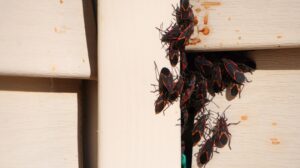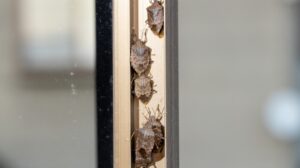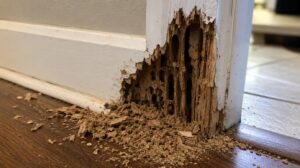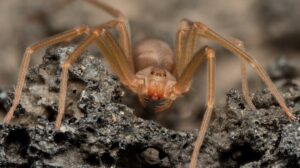
Pests do not require large openings to enter a structure. Mice need a gap the size of a quarter. Ants and cockroaches need far less. The entry points described below account for the majority of pest intrusions we document during home inspections throughout the Fayetteville area. Our residential pest control services include inspection and exclusion recommendations for each of these.
Gaps Around Utility Penetrations
Every pipe, conduit, and cable that enters a home from outside creates a potential entry point if the gap around it is not sealed. Plumbing lines under kitchen and bathroom sinks, HVAC refrigerant lines along exterior walls, electrical conduit entering the structure, and dryer vent openings are all common locations where gaps exist. These penetrations are often sealed initially but develop gaps over time as materials settle and shift. Inside wall voids, these openings connect directly to living spaces.
Mice are the pest most commonly entering through utility penetrations. A gap as small as a quarter inch is sufficient for a house mouse, and plumbing penetrations—particularly where pipes enter through the floor in cabinet bases—are among the most frequently used mouse entry points we find during inspections in Fayetteville.
Door Sweeps and Thresholds
Worn or improperly fitted door sweeps are a consistent finding during home inspections. The gap between the bottom of a door and the threshold, when a sweep is worn or missing, is sufficient for mice, cockroaches, and a range of insects to enter freely. Garage doors are particularly prone to this issue—the rubber seal along the bottom of a garage door deteriorates over time and often leaves gaps at the corners where the door meets the floor.
Sliding glass doors and French doors are also common problem areas. The seals around these doors wear more quickly than standard entry doors and are frequently found with gaps along the bottom or sides.
Foundation Cracks and Sill Plate Gaps
Hairline cracks in poured concrete foundations are common in Fayetteville homes and are sufficient entry points for ants, cockroaches, and spiders. Wider cracks allow mouse entry. The sill plate—the wood member that sits on top of the foundation wall—is another consistent entry area, particularly in older homes where settling has created a gap between the sill plate and the masonry below.
Homes with brick veneer construction have weep holes at the base of the brick—small openings left intentionally for moisture drainage—that also function as pest entry points if unscreened.
Attic Vents and Soffit Areas
Attic vents and soffit areas are primary entry points for a range of pests. Roof rats, squirrels, and birds use damaged or unscreened attic vents to access attic spaces. Wasps and hornets use gaps at soffit intersections and behind trim boards for nest sites. Even insects find their way into wall voids through small openings at soffit edges.
Damaged vent screens—torn, rusted, or simply missing—are one of the most common findings during attic-level inspections in Fayetteville.
Gaps Around Windows and Doors
The perimeter of every window and exterior door is a potential entry point where caulk has cracked, shrunk, or been applied incompletely. These gaps are particularly common in homes that are several years old. They are small enough that homeowners rarely notice them but sufficient for ants, spiders, and occasional cockroaches to use as entry routes. Window air conditioning units are another consistent problem area—gaps around the unit and along the sides of the insert are frequently found unsealed.
What Homeowners Can Do
A walk around the exterior of your home with these entry points in mind will identify most of the vulnerabilities present. Seal gaps around utility penetrations with appropriate caulk or steel wool. Replace worn door sweeps. Repair or replace damaged attic vent screens. Caulk window and door perimeters where gaps are visible.
If you would rather have a professional assessment, Allen Pest Management provides free inspections for Fayetteville homeowners. Contact us to schedule an inspection and get a clear picture of where pests are entering your home.