If you are considering professional mosquito control for your Fayetteville home but are not sure what a program actually involves—how it works, what happens during a visit, how often treatments occur, and what kind of results to expect—this guide walks you through the process from start to finish. Understanding the mechanics of a mosquito control program helps you evaluate providers, set realistic expectations, and make the most of your investment.
How the Program Is Structured
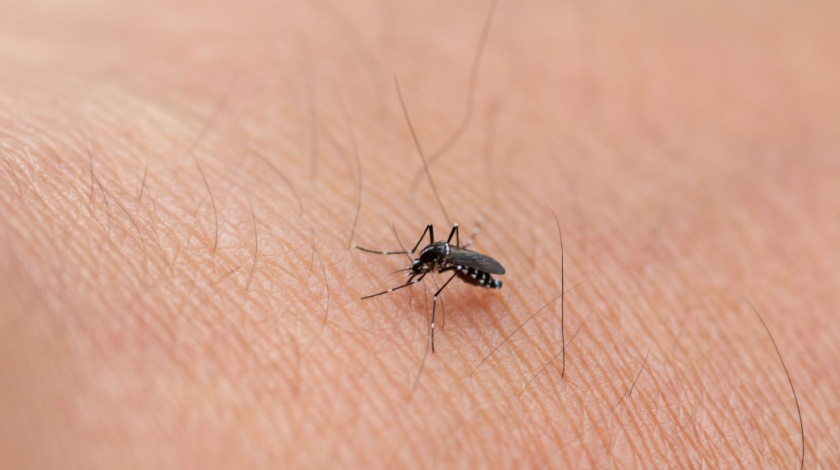
Professional mosquito control is not a one-time event. It is a seasonal program built around the mosquito lifecycle, designed to reduce the population on your property progressively over the course of the active season. In Fayetteville, that season typically runs from April through October—roughly six to seven months—though it can start earlier and end later in mild years.
The program consists of regularly scheduled treatment visits, typically every 21 days. This interval is not arbitrary—it is calibrated to the mosquito reproductive cycle:
- Female mosquitoes lay eggs in standing water
- Eggs hatch into larvae within 24 to 48 hours in warm conditions
- Larvae develop through four stages, pupate, and emerge as biting adults in 7 to 14 days
- A 21-day treatment cycle catches each new generation before it reaches full maturity, preventing the population from rebounding between visits
Over the course of a season, successive treatments compound—each cycle starts with a smaller population than the one before, because the previous treatment eliminated the generation that would have produced the next wave.
What Happens During a Treatment Visit
A typical mosquito treatment visit for a Fayetteville home follows a consistent process:
Property assessment: The technician walks the property to identify current mosquito resting areas, note any new standing water sources, and assess conditions that may have changed since the last visit—new vegetation growth, drainage shifts, or debris accumulation.
Full-yard fogging: Using professional application equipment, the technician applies a fine mist of product to the areas where adult mosquitoes rest during the day:
- Underside of tree canopy and shrub foliage—the primary daytime resting habitat
- Dense vegetation along fence lines, property borders, and hedge rows
- Ground cover and mulched beds
- Underneath decks, porches, and covered structures
- Around known or potential breeding sites
- Shaded areas along the foundation, near outbuildings, and around landscape features
The product adheres to foliage and surfaces, creating contact zones that kill mosquitoes when they land. This residual effectiveness is what provides protection between visits—not just at the moment of application.
Breeding site identification: A good technician will point out standing water sources on your property and recommend elimination steps. Some providers will treat small standing water sources with larvicide as part of the visit when elimination is not practical (such as a decorative pond or a drainage area that cannot be graded).
Documentation and communication: After the visit, the technician notes what was treated, any conditions of concern, and recommendations for the homeowner. This documentation helps track trends across the season and adjust the approach if needed.
How Quickly You Will See Results
Most homeowners notice a significant reduction in mosquito activity within 24 to 48 hours of the first treatment. The fogging kills adult mosquitoes on contact and begins building the residual layer on vegetation that continues working between visits.
However, expectations should be calibrated:
- After the first treatment: Noticeable reduction, but mosquitoes from neighboring properties, nearby water features, and untreated areas can still drift onto the property. The resident population on your property is dramatically lower, but you are not in a sealed bubble.
- After two to three treatments: The cumulative effect becomes clear. Each cycle starts with a smaller population, and the overall mosquito pressure around the home drops measurably. This is typically when homeowners describe the experience as transformative.
- Mid-season and beyond: With consistent treatment and homeowner participation in breeding site elimination, mosquito activity on the property remains at a low, comfortable level. You will still see occasional mosquitoes—particularly after rain events or on evenings with high humidity—but the difference compared to an untreated property is dramatic.
What the Homeowner’s Role Looks Like
Professional treatment handles the adult mosquito population. The homeowner’s contribution is eliminating the breeding habitat that produces new mosquitoes between treatments:
- Dump standing water from containers, toys, and equipment weekly
- Clean gutters at least twice during the season
- Refresh birdbaths and pet bowls regularly
- Fix drainage issues that create persistent pooling
- Keep vegetation trimmed near outdoor living areas
This is not busywork—it directly impacts how effective the professional treatment is. A property with multiple active breeding sites will produce enough new mosquitoes to partially offset treatment. A property with minimal breeding habitat gets maximum benefit from every visit.
What Makes Fayetteville’s Mosquito Situation Specific
Fayetteville sits in the western Ozarks with a landscape that includes mature hardwood forests, creek corridors, Lake Fayetteville, Lake Sequoyah, and the wetland and riparian areas along the West Fork of the White River and its tributaries. The city’s mix of established neighborhoods with mature tree canopies, newer developments, and university-area housing creates varied mosquito conditions across the community.
Properties near creeks, lakes, and low-lying drainage areas experience heavier mosquito pressure than those on higher, drier ground. But Fayetteville’s warm, humid summers—combined with the frequent spring and summer thunderstorms that create standing water throughout the city—mean that virtually every residential property deals with mosquitoes at some level during the active season.
A mosquito control program designed for Fayetteville accounts for these local conditions—the water features, the tree canopy, the rainfall patterns, and the extended warm season that sustains mosquito populations well into October.
Why Allen Pest Management
Allen Pest Management has been serving Fayetteville and Northwest Arkansas for over a decade. The company’s mosquito control programs are designed around the specific conditions NWA produces—the forest, the lakes and creeks, the humid summers, and the extended mosquito season.
Allen Pest uses safe, eco-friendly products that are people- and pet-friendly. Every service is backed by a 100% satisfaction guarantee—if mosquitoes come back between visits, so does the team, at no additional charge. Free inspections and estimates are available for every property.
If you are ready to put a mosquito control program in place for your Fayetteville home, contact Allen Pest Management for a free estimate and find out what consistent, professional treatment can do for your outdoor living space.